Why Friendly Rivalries Make Gaming More Enjoyable
22 November 2026 | 1
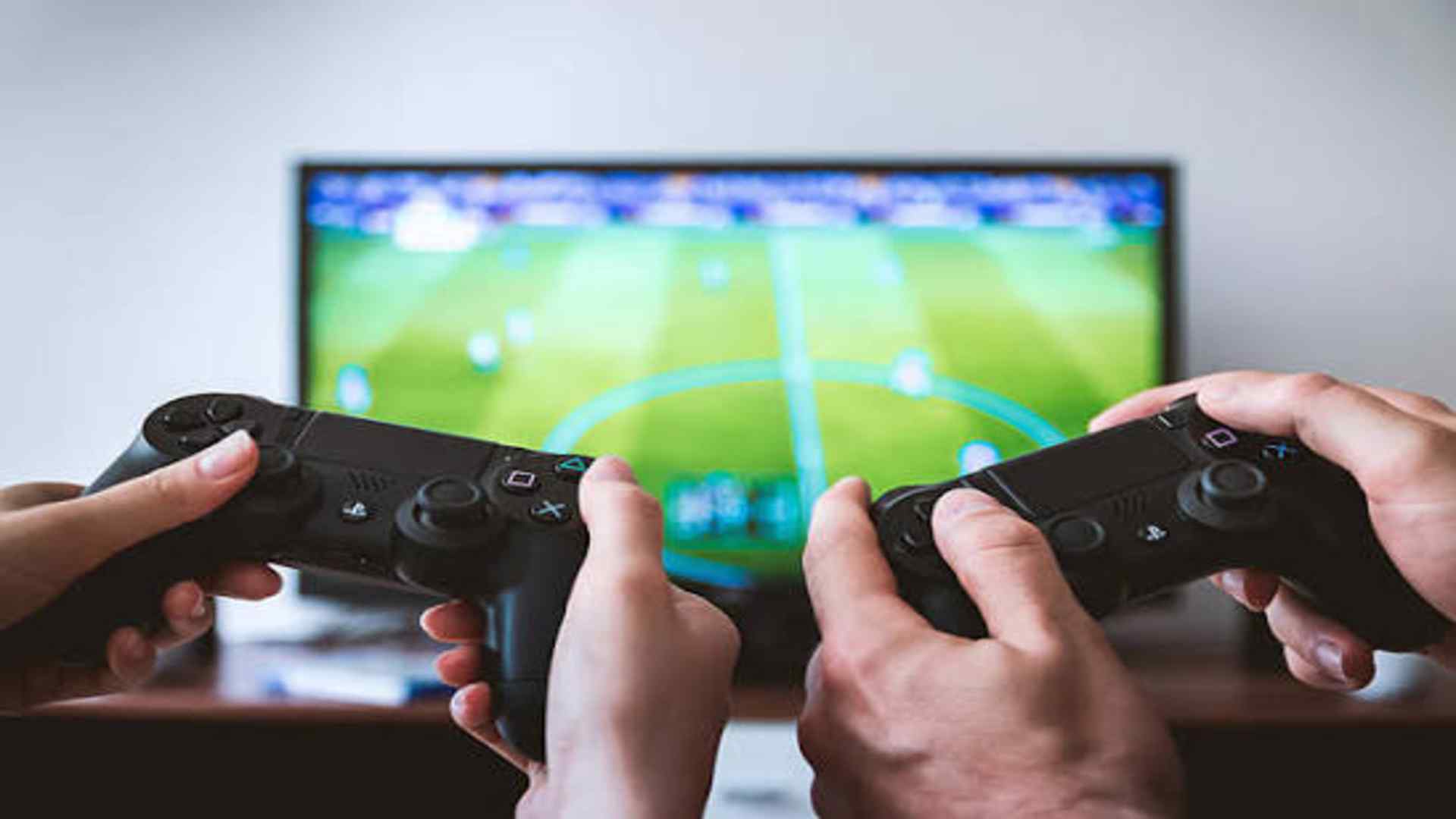
Video games have long served as a digital space for connection, but the introduction of friendly competition takes the experience to an entirely new level. When players compete against friends or familiar opponents, the emphasis shifts from strict winning toward shared entertainment and mutual skill development. Understanding how these social dynamics work can help gamers foster healthier, more fulfilling playing sessions.
The Psychology of Healthy Digital Competition
Competing against peers creates a unique psychological drive that differs significantly from playing against anonymous opponents online. The presence of social bonds transforms potential frustration into lighthearted banter and shared memories. This supportive environment allows players to test their limits without the pressure often found in highly toxic competitive lobbies.
Furthermore, playful competition stimulates personal motivation by setting clear, relatable benchmarks for progress. Watching a friend master a complex mechanic encourages others in the group to refine their own abilities. This positive feedback loop elevates the skill ceiling for everyone involved while maintaining a relaxed atmosphere.
Building Stronger Connections Through Shared Play
Friendly rivalries often serve as a powerful catalyst for long-term social bonding among modern gamers. Regular matches offer a consistent schedule for friends to gather, communicate, and relieve everyday stress. Over time, these recurring play sessions turn routine digital challenges into meaningful social traditions.
Participating in competitive platforms and tracking performance metrics can also enhance the overall experience for gaming enthusiasts. Reading a detailed m88 review can offer useful insights into community features and competitive opportunities available on modern gaming networks. Having access to structured environments helps players organize fun tournaments within their trusted circles.
Enhancing Replayability and Long Term Engagement
Static game modes can quickly feel repetitive when played in complete isolation or with silent teammates. Adding a personal rival injects unpredictability into every match, ensuring no two gaming sessions unfold in the exact same manner. Players constantly adapt their strategies to counter the unique habits and preferences of their friends.
This dynamic environment significantly extends the shelf life of multiplayer titles across various genres. Instead of abandoning a game after completing its main content, players find endless entertainment in beating personal bests set by their peers. The pursuit of bragging rights keeps popular games fresh for months or even years.
Balancing Sportsmanship and Mindful Gaming
To keep rivalries fun and positive, players must prioritize healthy sportsmanship over absolute victory. Celebrating a friend's impressive moves or comeback wins reinforces mutual respect inside the gaming group. Keeping the tone encouraging prevents minor match losses from creating unnecessary personal friction.
Ultimately, the main goal of any interactive entertainment should remain relaxation and high-quality fun. Setting reasonable boundaries around play schedules ensures that competitive gaming stays a healthy hobby. By focusing on shared laughter and steady improvement, gaming groups can enjoy the full benefits of friendly rivalries.